To support our mission and keep our lessons free for everyone, we participate in the Amazon Services LLC Associates Program.
Reading & Language

The way we teach reading is not working, and it cannot continue. Understanding the science of reading is more important than ever--for us, and for our children. Language at the Speed of Sight offers an erudite and scathing examination of this most human of activities, and concrete proposals for how our society can produce better readers.

The founder and director of the Thirty Million Words Initiative, Professor Dana Suskind, explains why the most important—and astoundingly simple—thing you can do for your child’s future success in life is to to talk to them.

Published in 1955, Flesch was famously quoted as saying, “Do you know that the teaching of reading never was a problem anywhere in the world until the United States switched to the present look-say method around about 1925?” He accused the educational establishment of committing a crime against a generation of children.

Kilpatrick shows how we can correct this problem by providing our youngsters with the stories, models, and inspirations they need in order to lead good lives.
Technology and the Family

You set the screen-time limits, install the filters, and pray fiercely, yet the constant, blue-light buzz of the digital age always seems to find a way back in' leaving you wondering if you are fighting a losing war. Reclaim your family hearth and lead your household with unshakeable peace.

This comprehensive guide offers practical strategies to help families set healthy boundaries for technology use, select enriching educational apps, and foster mindful digital habits in children.
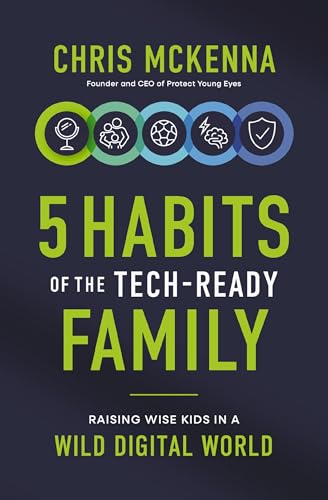
With just five simple habits, you can shape an environment where your kids grow confident, resilient, and ready to face the challenges, dangers, and opportunities of an ever-changing online world.

Making good choices about technology in our families is more than just using internet filters and determining screen-time limits for our children. It's about building character, wisdom, and courage rather than accepting technology's promises of ease and instant gratification.
Schools

For over fifty years, American schools have assumed that challenging children academically is unnatural for them, that teachers do not need to know the subjects they teach, that the learning "process" should be emphasized over the facts taught. All of this is tragically wrong.

Influential scholar Hirsch, author of The Knowledge Deficit, asserts that a carefully planned curriculum that imparts communal knowledge is essential in achieving one of the most fundamental aims and objectives of education: preparing students for lifelong success.

Hirsch unabashedly confronts the education establishment, arguing that a content-based curriculum is essential to addressing social and economic inequality. A nationwide, specific, grade-by-grade curriculum established in the early school grades can fulfill this objective.

Published in 2010, the book gives the results of the first nationwide test of American high school students' knowledge of history and literature, plus fascinating insight into teenagers reading and influences, as well as changes to school curricula. The details may shock you. Is it different today?

Education policy analyst Joel Turtel believes that America's public schools are broken beyond repair. In Public Schools, Public Menace, Turtel argues that public schools, because they are government-run monopolies, cannot give our children the great education they need and deserve.

Guides parents of young children to participate in a child's education, both at home and in the school, from kindergarten through middle school. Published, 1994.

We hear that our public schools are mediocre at best and dysfunctional and unsafe at worst. This book is written to help today’s parents sort through the weeds of educational reform to make informed decisions designed to get the best possible education for their children. Published, 2016.

Schools, once alive with human connection, are now dominated by screens and digital tools. The result is unmistakable: declining performance, fractured attention, and the slow erosion of rigorous thought. For the first time in recent history, children are falling behind previous generations on many key measures of cognitive development.
Education

A must-read for parents and teachers, this major bestseller reveals how cultural literacy is the hidden key to effective education and presents 5000 facts that every literate American should know.

Cultural Literacy addresses the failures of America’s early education system and its impact on our current national malaise, advocating for a shared knowledge curriculum for students everywhere, an educational foundation that can help improve and strengthen America’s unity, identity, and democracy.

For parents and teachers: the invaluable grade-by-grade guide (kindergarten—sixth) is designed to help parents and teachers select some of the best books for children.

The lost tradition of CCE teaches children to care more about virtue and wisdom rather than conforming to a corrupt culture. New schools are popping up around the country. However, parents and educators need a roadmap for incorporating CCE into kids’ lives. This is that map.

America’s original schools didn’t just make kids memorize facts or learn skills; they taught them to think freely and arrive at wisdom. They assigned the classics, inspired love of God and country, and raised future citizens that changed the world forever.

The Genius in Every Child celebrates the moments in the lives of children, their parents, and their teachers. The stories of unique characters in action illustrate some of the principles of education and the disciplines we need to be good stewards of our children’s character and intellect.

Through this valuable resource, parents will learn how they can raise future generations to think and act from a biblical worldview. Explore how to implement biblical principles and provide students with a firm foundation that is unchanging and consistent.

Now, in this twenty-fifth anniversary edition, acclaimed author and journalist Andrew Ferguson contributes a new essay that describes why Bloom’s argument caused such a furor at publication and why our culture so deeply resists its truths today.
Healthy Child Development

Raising Securely Attached Kids is a practical parenting book that translates attachment science into accessible strategies for raising emotionally healthy children. It shows parents and caregivers how connection-focused parenting can strengthen relationships, encourage open communication, and help children develop empathy, and form healthy relationships.
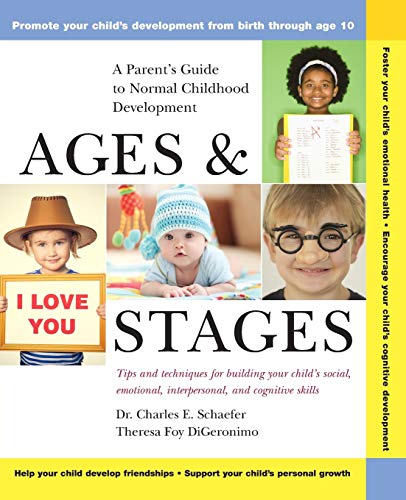
A comprehensive parent's guide to your child's psychologicaldevelopment from birth through age 10.

With new discoveries in mental disorders that affect children, Child Psychology & Development For Dummies provides an informational guide to cognitive development at every stage of a child's life, as well as how to diagnose, treat, and overcome the cognitive barriers that impede learning and development. Published, 2011.

Tech has erased the boundaries that protect children from damaging exposure to marketing and adult culture. Parents often feel they are losing a meaningful connection with their children. Children are feeling lonely and alienated. A clinical psychologist offers some workable solutions.

In The Collapse of Parenting, internationally acclaimed author Leonard Sax argues that rising levels of depression and anxiety among young people can be traced to parents abdicating their authority. The result is children who lack self-control, who look to their peers and to social media for direction.

After more than a decade of stability or improvement, the mental health of adolescents plunged in the early 2010s. Rates of depression, anxiety, self-harm, and suicide rose sharply, more than doubling on many measures. Why?

Screens dominate modern childhood. The average child spends 7.5 hours a day on digital devices, leaving parents worried about anxiety, disconnection, and lost creativity. Childhood Unplugged offers a proven path to reclaiming childhood—without guilt, shame, or unrealistic rules.

Whether you’re in the trenches with a toddler or a tween (because spoiler alert: the tantrums of childhood mirror the tantrums of adolescence), it’s never too late to learn to use these 5 principles to reparent yourself and help your kids build the resilience they need to thrive.
Building Character and Values

Here is a family guide to classic novels, contemporary fiction, myths and legends, science fiction and fantasy, folktales, Bible stories, picture books, biographies, holiday stories, and many other books that celebrate virtues and values with more than 300 titles to choose from. Published, 1994.

A good book is a gateway into a wider world of wonder, beauty, delight, and adventure. Author Gladys Hunt, along with her son, Mark, discusses everything from how to choose good books for your children to encouraging them to be avid readers.

Raising decent, caring, and responsible children is the most complex and challenging job in every parent’s life and an increasingly difficult one in today’s society. Here is a valuable and sensitive guide for parents who want their children to grow up with lifelong positive values.

Find out why Everyday Graces has struck a chord with tens of thousands of families. Both inviting and informative, this book helps instill good manners in our children—and takes a stand against the decline in civility and the coarsening of our common life.

Character 101 for Kids is a must-have guide for helping kids develop the qualities that will empower them to face life’s challenges with integrity and confidence. It combines practical lessons, captivating stories, and engaging illustrations to make character-building fun and relatable.

This book calls for renewed moral education in America's schools, offering dozens of programs schools can adopt to teach students respect, responsibility, hard work, and other values to supplement the lessons learned at home.

Award-winning psychologist and educator Thomas Lickona offers more than one hundred practical strategies that parents and schools have used to help kids build strong personal character as the foundation for a purposeful, productive, and fulfilling life.
