

Get the Benefits of Reading Aloud for You and Your Child
Reading aloud to a child is widely considered one of the most effective activities for fostering early development. The benefits extend far beyond encouraging literacy. It impacts cognitive, linguistic, emotional, and social growth. Plus, reading aloud is substantially beneficial for a child whether he or she is reading or listening.

Teach Your Child to Read with Proficiency This Summer
It’s summer, and that’s a great time to teach your child to read. In fact, you should consider teaching all of your children, even if they are already reading. Reading is the most important academic skill they need. It doesn’t matter what ages or grade levels. If you have a preschooler who doesn’t know his...

What Makes a Word Phonetic?
What makes a word phonetic? Why does it matter? I’ve experts who minimize the importance of phonics in reading instruction. Usually, they think our language is just too complex to be reduced in this way. So often, it seems they don’t understand when a word is phonetic and when it isn’t and why it matters....

SoundEnglish Loves Green Eggs and Ham
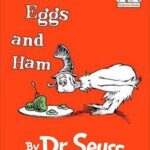
SoundEnglish loves Green Eggs and Ham. It's a perfect supplement to 7 Sound Steps to Reading. The table at the right lists each of the 50 distinct words in the book and demonstrates how Green Eggs and Ham is in perfect alignment with our structured phonics program in Step 2--Learn the Sounds. Limited Vocabulary, Mostly...
Bet on Green Eggs and Ham to Teach Reading
Theodor Geisel, better know as Dr. Seuss, wrote his first children’s book in 1937. It was And to Think I Saw It on Mulberry Street. It would be 23 years before he would write Green Eggs and Ham, and it probably would never have happened without “the bet.” Long before the publication of Green Eggs and Ham,...

The Ugly Truth about Reading Instruction
Sometimes, the truth is “ugly,” meaning unpleasant. Unfortunately, we’re not always receptive to an ugly truth. Acceptance takes time. You know, it takes a while to accept a truth that we wish was a lie. Unfortunately, the longer it takes for us to acknowledge the ugliness, the more damage is done. This is where we...

Get Involved in Your Child’s Education
It’s a new year! And it’s time to bet involved in your child’s education. Sure, we all check report cards, and most of show up for conferences, but that’s not nearly enough. We’ve accepted the notion that decisions about education should be made by “the experts.” That might be a good idea if there actually...
Why Doesn’t the Science of Reading Impact the Teaching of Reading?
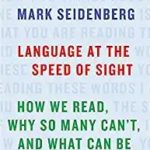
I’ve just read Mark Seidenberg’s Language at the Speed of Sight. He’s a co-leader of the Language & Cognitive Neuroscience Lab at the University of Wisconsin in Madison. The book is filled with details about the science of reading and the conclusions reached through several decades of research. There is still a major question: why...

Our Program Aligns with Science of Reading
Over the course of the past two decades or so, reading scientists have settled the fundamental questions about reading: What is it? How do we learn it? How should it be taught? Our program for teaching reading, 7SS2R aligns with the science of reading. By now you know we believe that everyone needs to be...
More about the Science of Reading
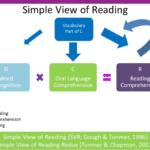
There’s more to the science of reading than meets the eye. Last month, I focused on the conclusions of reading scientists about what it takes to teach reading effectively. However, you might want to know more about the science of reading. The primary motivation for the decades-long “reading wars” was a difference of opinion about...
